The Rise of AI Superchips in the U.S.
The rise of AI superchips in the U.S. marks a significant technological advancement, fueled by the growing demand for high-performance computing to support advanced AI applications. As industries increasingly integrate AI, the need for powerful processing units has surged, leading to the development of AI superchips. NVIDIA, a leader in GPUs, has shifted focus to designing chips optimized for AI tasks, incorporating thousands of cores for enhanced computational speed. Collaborating with Taiwan Semiconductor Manufacturing Company (TSMC), NVIDIA benefits from cutting-edge fabrication technology, emphasizing international cooperation and U.S. manufacturing capabilities. Government initiatives have also been crucial, recognizing the strategic importance of AI and semiconductors, resulting in increased investments and policy support for domestic chip production. This environment encourages R&D and local manufacturing, contributing to the U.S.’s resurgence as a leader in semiconductor technology. The demand for AI superchips is expected to grow, solidifying the U.S.’s position in the global AI and semiconductor markets.
Overview of AI Superchips
AI superchips are a breakthrough in semiconductor technology, tailored for the increasing demands of AI applications. These chips integrate multiple processing units, such as CPUs, GPUs, and AI accelerators, on a single chip to enable parallel processing crucial for AI algorithms like deep learning. They are designed to be energy-efficient, consuming less power than traditional processors by using advanced fabrication techniques and architectural innovations. AI superchips also enhance memory bandwidth and storage, facilitating faster data retrieval and processing, which is essential for real-time analytics. Their architecture supports high-speed data transfer, reducing latency and boosting system performance. Furthermore, AI superchips are scalable, suitable for diverse applications from data centers to edge devices, making them versatile for industries like healthcare, automotive, and finance. Overall, AI superchips represent a significant advancement in AI processing, offering high performance, energy efficiency, and scalability, marking a pivotal moment in semiconductor manufacturing.
Importance of AI Superchips in Modern Technology
AI superchips are crucial to modern technology, revolutionizing industries by boosting computational power and efficiency. They excel in processing vast datasets quickly, which is vital in today’s data-driven world. This capability supports technologies like deep learning and neural networks, enhancing tasks such as natural language processing and image recognition. In the automotive industry, AI superchips power algorithms that enable autonomous vehicles to perceive their environment and navigate safely. In healthcare, they expedite medical Data Analysis, improving diagnostics and patient care. AI superchips also enhance cloud computing by providing the performance needed to manage workloads efficiently across networks. In consumer electronics, their integration into devices like smartphones and smart home systems improves functionality and user experience. Overall, AI superchips are not only advancing current technologies but are also setting the stage for future innovations across various sectors, driving efficiency and enabling new capabilities.
NVIDIA and TSMC: A Strategic Partnership
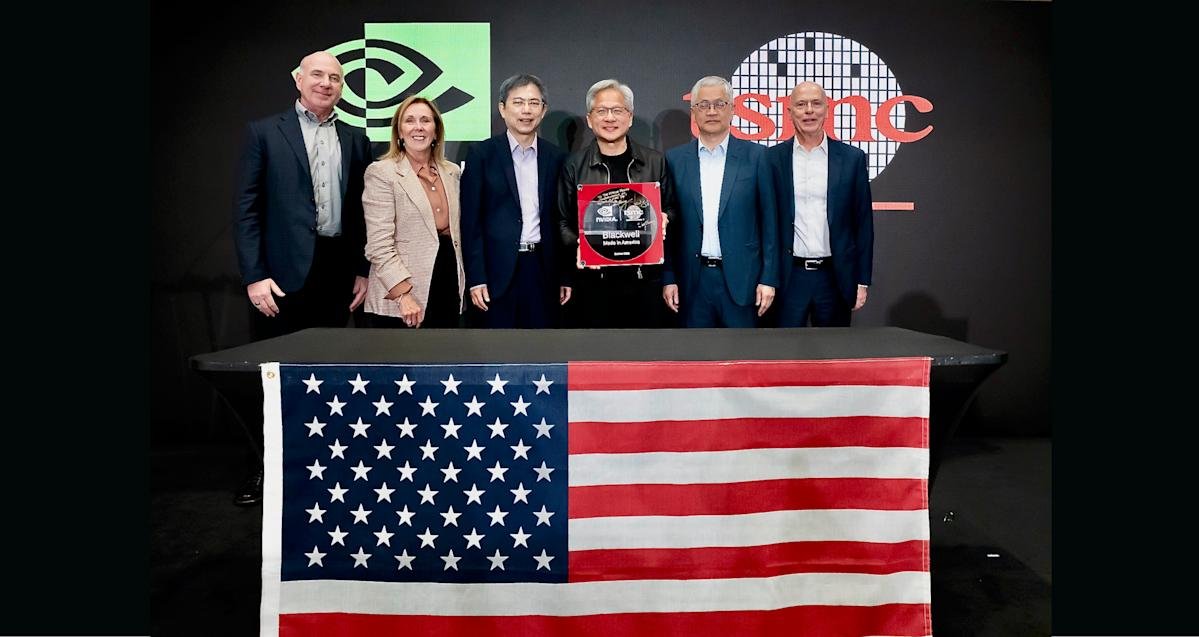
The partnership between NVIDIA and TSMC represents a crucial development in semiconductor manufacturing and AI technology. NVIDIA, a leader in GPUs and AI computing, collaborates with TSMC, the largest semiconductor foundry, to enhance U.S. manufacturing with advanced technology and economic benefits. NVIDIA’s high-performance chip designs align with TSMC’s superior manufacturing capabilities, crucial for maintaining competitiveness in AI and data center markets. This synergy fosters Innovation, enabling NVIDIA to develop AI superchips using TSMC’s advanced nodes for demanding AI tasks, supporting massive parallel processing. Economically, this partnership strengthens U.S. manufacturing and aligns with government initiatives to secure the semiconductor supply chain, creating high-tech jobs and boosting economic growth. As both companies invest in R&D, their collaboration promises further breakthroughs in AI computing power and efficiency, setting new industry standards. This strategic alliance highlights the impact of collaboration on technological innovation and economic advancement.
Background of NVIDIA
Founded in 1993, NVIDIA Corporation has become a tech industry leader, especially in graphics processing units (GPUs). Initially focusing on gaming and multimedia, NVIDIA has expanded into data centers, AI, and autonomous vehicles. The launch of the GeForce 256 in 1999, the world’s first GPU, revolutionized gaming and established NVIDIA’s market dominance. As demand for computing power increased, NVIDIA leveraged its GPU architecture for AI and Machine Learning, using their parallel processing capabilities to train complex neural networks. NVIDIA’s AI innovations include the CUDA platform, enabling developers to utilize NVIDIA GPUs for diverse computational tasks, solidifying its role in the AI ecosystem. Strategic acquisitions, like Mellanox Technologies in 2020, enhanced its networking capabilities, improving data center integration. NVIDIA’s development of AI superchips and collaboration with industry leaders like TSMC highlight its commitment to advancing U.S. manufacturing and maintaining global tech leadership.
TSMC: A Leader in Semiconductor Manufacturing
Taiwan Semiconductor Manufacturing Company (TSMC) is a global leader in the semiconductor industry, recognized for its advanced technology and manufacturing capabilities. As the largest independent semiconductor foundry, TSMC is crucial in producing semiconductors for devices ranging from smartphones to AI systems. Since its founding in 1987, TSMC has driven industry standards through innovation and significant R&D investments, enabling rapid scaling of new technologies to meet global demands. Its advanced process nodes, like 5nm and 3nm, offer superior performance and energy efficiency, essential for next-gen computing and AI applications. Strategic partnerships, such as with NVIDIA for AI superchips, highlight TSMC’s role in shaping future technology. Additionally, TSMC’s expansion into the U.S. strengthens the semiconductor supply chain and supports American manufacturing, addressing geopolitical challenges. TSMC’s commitment to technological excellence, strategic collaborations, and global expansion solidifies its status as a leader in the semiconductor industry.
The Collaboration: Goals and Objectives
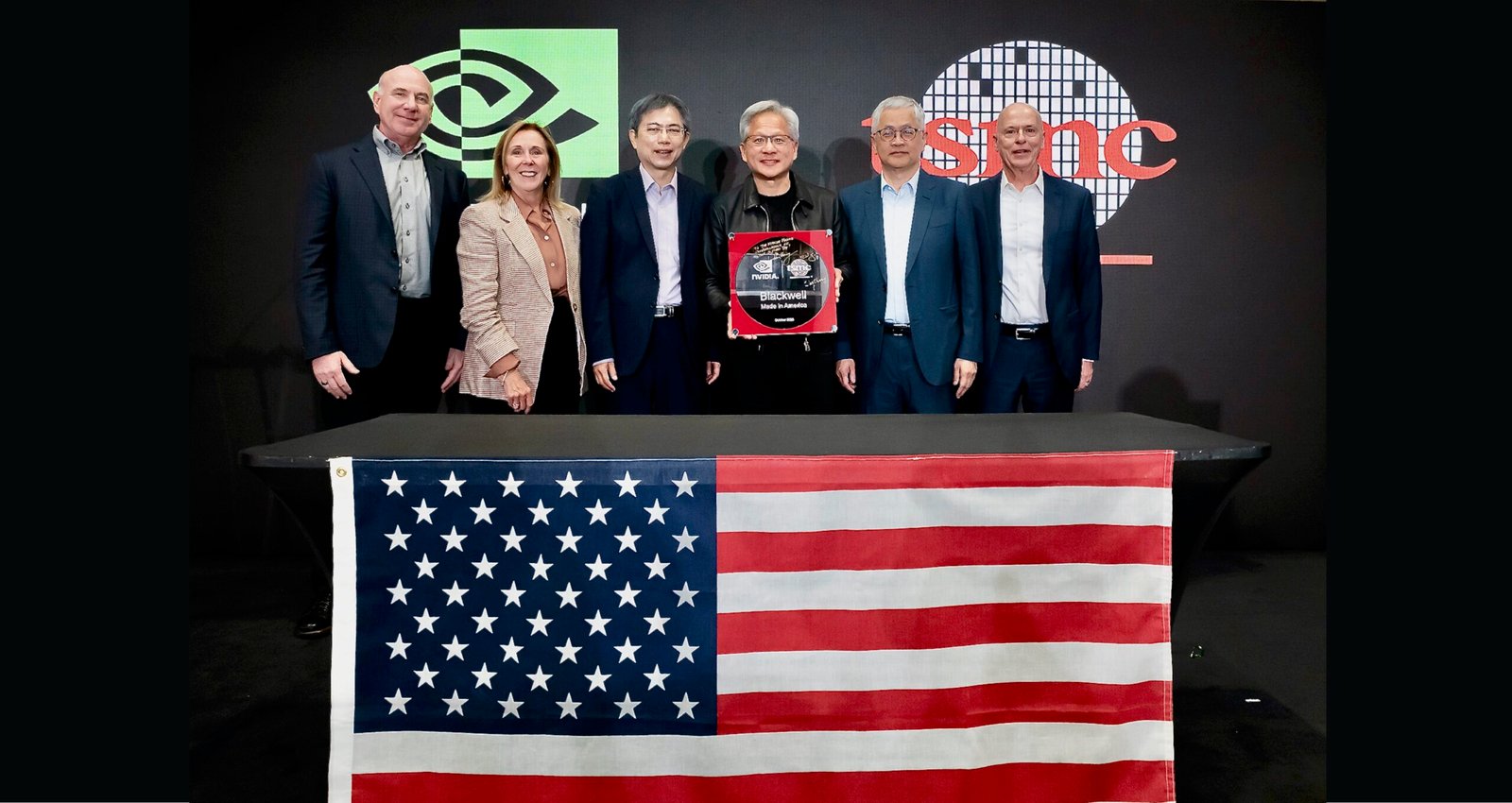
NVIDIA and TSMC’s collaboration to create America’s first AI superchip aims to bolster U.S. semiconductor manufacturing and AI technology leadership. This partnership seeks to establish a strong domestic supply chain, reducing foreign dependency by combining TSMC’s semiconductor expertise with NVIDIA’s AI hardware capabilities. The initiative focuses on developing innovative AI hardware, producing chips with exceptional performance for applications like machine learning and autonomous systems, crucial for commercial and defense sectors. This endeavor aims to accelerate AI-driven solutions, driving economic growth and maintaining global competitiveness. Additionally, the partnership is committed to workforce development, investing in local talent and creating high-tech jobs, enhancing STEM education, and preparing workers for advanced manufacturing and AI roles. Emphasizing sustainability, the collaboration aims to minimize the ecological impact of semiconductor production, aligning with industry trends towards greener technology. Overall, this strategic alliance seeks to enhance U.S. manufacturing and AI innovation, fostering a resilient technological ecosystem for long-term prosperity and national security.
The Development of America’s First AI Superchip
The creation of America’s first AI superchip represents a significant advancement in semiconductor manufacturing, driven by the collaboration between NVIDIA and Taiwan Semiconductor Manufacturing Company (TSMC). NVIDIA, known for its innovative work in GPUs and AI technologies, initiated this project to address the growing demand for high-performance computing solutions. The superchip, designed to integrate advanced AI capabilities, is crucial for applications such as data centers and autonomous vehicles. TSMC’s expertise in semiconductor fabrication was essential in realizing NVIDIA’s designs, showcasing a synergy between design innovation and manufacturing excellence.
A strategic decision to base the manufacturing in the U.S. aims to bolster domestic production, reduce foreign dependency, and enhance national security. This aligns with governmental efforts to revitalize the U.S. semiconductor industry. Significant investments from both companies in research and development further underscore their commitment to advancing semiconductor technology. This collaboration not only sets a new standard in AI computing but also strengthens the U.S.’s leadership in the global semiconductor market.
Key Features and Innovations
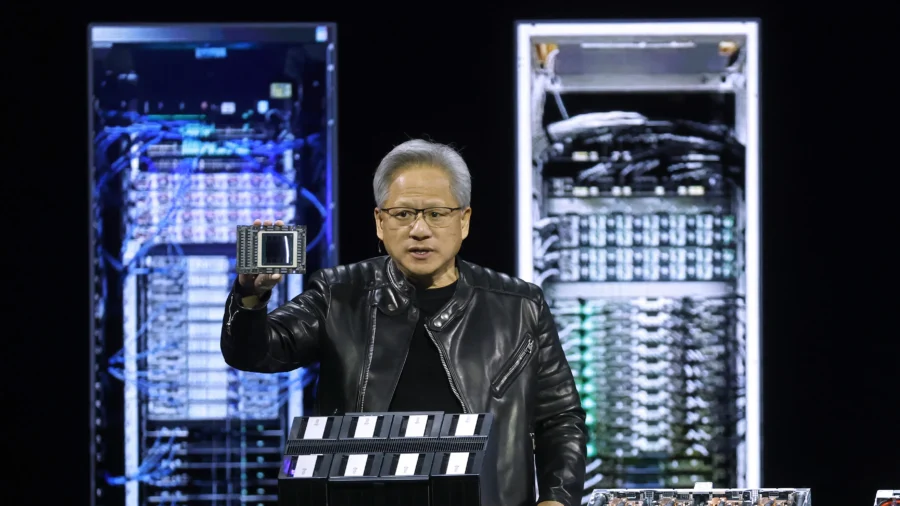
America’s first AI superchip, resulting from a collaboration between NVIDIA and Taiwan Semiconductor Manufacturing Company (TSMC), marks a significant advancement in semiconductor technology and U.S. manufacturing. It features NVIDIA’s next-generation architecture, designed for AI workloads with advanced parallel processing, enabling trillions of operations per second for accelerated AI model training and inference. A standout innovation is the integration of AI-optimized cores, enhancing performance for machine learning tasks by efficiently handling large data sets and complex neural networks. The superchip is manufactured using TSMC’s cutting-edge 5-nanometer technology, allowing for higher transistor density, improved performance, and energy efficiency. NVIDIA’s power management technologies further enhance energy efficiency, aligning with sustainability goals. Enhanced connectivity and scalability options facilitate integration with data centers and support large-scale AI deployments. Security features, including hardware-based encryption and secure boot mechanisms, ensure data protection and system integrity. This collaboration exemplifies innovation in semiconductor technology, positioning America at the forefront of the AI revolution.
The Manufacturing Process
The manufacturing process of America’s first AI superchip, developed by NVIDIA and TSMC, marks a significant advancement in semiconductor fabrication, aligning with U.S. manufacturing goals. TSMC, the largest contract chipmaker, uses its advanced 5-nanometer process technology, allowing for powerful, efficient, and compact chips that enhance AI performance. The process begins with NVIDIA’s design phase, utilizing electronic design automation tools to plan the chip’s architecture for optimal AI computation handling. Once designed, TSMC’s fabrication facilities produce the chip through photolithographic and etching steps, known for precision and high yield rates, crucial for cost-effectiveness and scalability. Advanced packaging technologies, such as chip stacking and interposer technology, are used to improve power distribution and heat dissipation, vital for maintaining efficiency. This process supports U.S. initiatives to boost domestic semiconductor production and reduce foreign dependency, enhancing national security and technological leadership. This collaboration exemplifies integrating advanced technologies and strategic practices for future AI advancements.
Challenges and Solutions in Development
The development of America’s first AI superchip by NVIDIA and TSMC has faced significant challenges, primarily the integration of advanced AI capabilities into a semiconductor chip while maintaining performance and efficiency. This involves balancing computational power with energy consumption and heat dissipation. To address these issues, NVIDIA and TSMC have utilized TSMC’s 5-nanometer technology, which enhances computational capabilities without proportionally increasing power use or heat. Another major challenge is the reliance on overseas semiconductor supply chains, posing risks of disruptions and geopolitical tensions. To counter this, the companies are investing in U.S.-based manufacturing infrastructure, establishing new fabrication plants to create a more resilient supply chain. Additionally, they have navigated regulatory and logistical challenges by collaborating with local governments and educational institutions to develop training programs for a skilled workforce. Through these strategies, NVIDIA and TSMC are overcoming obstacles and redefining U.S. semiconductor manufacturing.
Redefining U.S. Manufacturing
NVIDIA’s partnership with TSMC marks a pivotal shift in U.S. manufacturing, particularly in the high-tech sector. Historically, while the U.S. has led in tech innovation, semiconductor manufacturing has moved overseas due to cost and expertise factors in countries like Taiwan and South Korea. However, NVIDIA’s collaboration with TSMC to produce an AI superchip signifies a strategic effort to revitalize domestic manufacturing. This partnership leverages TSMC’s expertise to set a new production standard in the U.S., potentially reducing reliance on foreign manufacturing and mitigating geopolitical risks. It aligns with U.S. government initiatives to boost high-tech jobs and innovation domestically, recognizing semiconductors’ critical economic role. This collaboration could inspire other tech companies to follow suit, contributing to a resurgence in American manufacturing. The production of AI superchips involves advanced technologies that promise to revolutionize manufacturing, emphasizing automation, precision, and sustainability. Overall, this partnership aims to restore U.S. technological leadership and economic growth.
Impact on the U.S. Semiconductor Industry
The launch of America’s first AI superchip by NVIDIA and TSMC is set to transform the U.S. semiconductor industry, marking a significant step in reasserting U.S. dominance in this crucial sector. This collaboration enhances domestic production capabilities, reducing reliance on foreign manufacturing, particularly from East Asia. By transferring cutting-edge manufacturing technology from TSMC, the U.S. aims to bolster its production infrastructure and mitigate supply chain vulnerabilities highlighted by recent global disruptions.
The domestic development of an AI superchip is expected to stimulate innovation within the U.S. semiconductor industry, fostering a competitive environment that could lead to breakthroughs in technology. This could impact various industries, including automotive, healthcare, and telecommunications. Additionally, the initiative is likely to create jobs in engineering, manufacturing, and research, increasing demand for educational programs to equip workers with necessary skills.
The NVIDIA-TSMC collaboration could also serve as a model for future partnerships, leveraging international expertise while enhancing U.S. capabilities to maintain a competitive edge globally.
Job Creation and Economic Implications
The collaboration between NVIDIA and TSMC to develop America’s first AI superchip is expected to significantly impact job creation and the economy. This initiative will create numerous high-skilled jobs in engineering, design, and semiconductor manufacturing, as advanced facilities require skilled workers to operate sophisticated equipment. Beyond direct employment, the initiative will stimulate job creation in related industries. The extensive semiconductor supply chain will need more workers as demand for raw materials and components rises, leading to further job growth. The increased economic activity will also boost employment in retail, hospitality, and local services. Locally, manufacturing plants will enhance household incomes, increase consumer spending, and attract further investment, fostering economic growth. Nationally, the initiative supports strategic goals to bolster domestic manufacturing and reduce reliance on foreign technology, enhancing U.S. technological sovereignty and competitiveness. However, challenges include the need for retraining and upskilling workers to maximize employment benefits and mitigate job displacement in traditional sectors.
Enhancing Global Competitiveness
The collaboration between NVIDIA and TSMC to produce America’s first AI superchip significantly boosts the U.S. semiconductor industry’s global competitiveness. This initiative aligns with strategic goals for technological leadership, enhancing the U.S.’s role in the advanced computing market. The AI superchip’s integration of cutting-edge technology promises unprecedented performance, crucial for next-gen AI applications across industries like autonomous vehicles and data analytics, expanding U.S. tech’s global influence. Domestically producing the superchip revitalizes U.S. manufacturing, leveraging TSMC’s expertise and NVIDIA’s AI innovations, creating high-tech jobs, and reducing foreign dependency, which bolsters national security and economic resilience. This collaboration sets new standards in semiconductor innovation, positioning the U.S. to lead in performance, efficiency, and scalability, attracting global investments. Furthermore, it highlights the potential of public-private partnerships to drive tech advancements, supported by government incentives, ensuring the U.S. remains at the forefront of innovation and maintains a competitive global edge.
Technological Implications of the AI Superchip
NVIDIA’s AI superchip, produced by TSMC, represents a significant technological leap with wide-ranging impacts across various sectors. Primarily, it boosts the computational power for AI applications, enabling more advanced machine learning models. This advancement is crucial for real-time data processing, particularly in autonomous vehicles, where quick sensory data analysis is essential for safety and efficiency. In cloud computing, the superchip allows data centers to handle more AI workloads, enhancing scalability and reducing costs. In healthcare, it supports the development of complex algorithms for faster, more accurate diagnostics, improving patient outcomes. Additionally, the superchip enhances cybersecurity by improving threat detection and response times through efficient network traffic analysis. In manufacturing, it facilitates AI integration for optimizing operations and quality control, aligning with Industry 4.0 trends. Overall, NVIDIA’s AI superchip promises to drive innovation and efficiency across transportation, healthcare, cloud computing, and cybersecurity, heralding a new era of AI-driven solutions.
Advancements in AI Capabilities
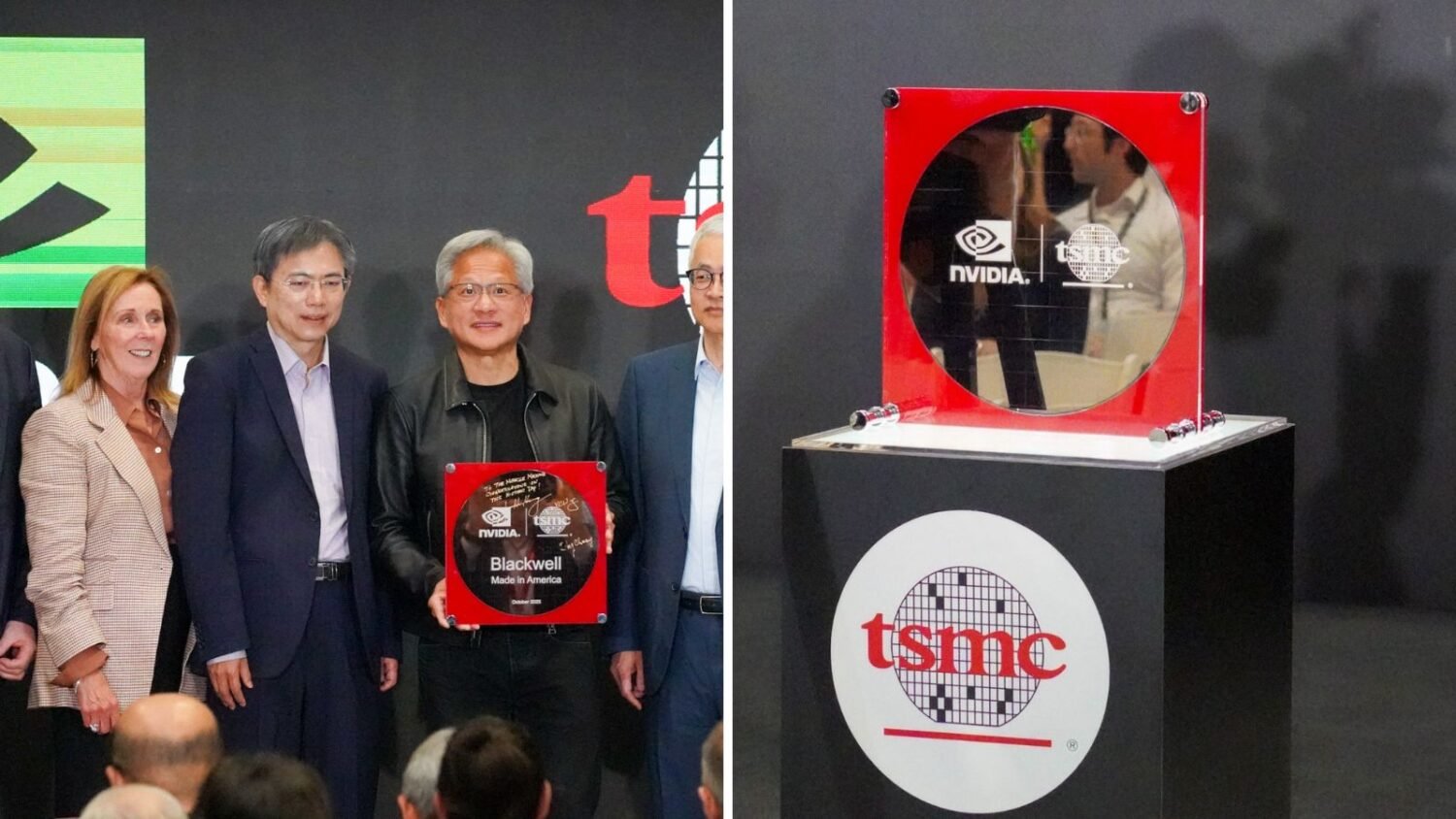
NVIDIA, in partnership with TSMC, has unveiled America’s first AI superchip, marking a major advancement in AI technology. This superchip offers unprecedented computational power and efficiency, outperforming previous AI processors through advanced parallel processing units and innovative architecture. It’s tailored to handle large data sets for training AI models, accelerating developments in natural language processing, computer vision, and autonomous systems.
The chip benefits from TSMC’s semiconductor manufacturing expertise, featuring smaller, efficient transistors for lower power consumption without sacrificing performance, crucial for large-scale AI deployment in data centers and edge devices. This energy efficiency reduces costs and supports sustainable tech solutions.
Supporting complex neural networks, the superchip enhances deep learning, enabling faster training and accurate predictions, vital for real-time applications like healthcare. It also offers flexibility and scalability, accommodating various AI frameworks, allowing developers to optimize applications for specific needs. This superchip sets a new standard for AI processing, promising innovative applications across multiple sectors.
Applications Across Industries
The introduction of America’s first AI superchip, developed by NVIDIA and TSMC, signifies a transformative shift across various industries. In healthcare, these superchips enhance diagnostic capabilities and personalized medicine by processing large datasets quickly, improving patient outcomes through faster medical image analysis. In the automotive sector, they support autonomous driving technologies by enabling real-time data processing from sensors, improving vehicle safety and navigation. In finance, AI superchips optimize trading algorithms and risk management by processing large data volumes in real-time, enhancing investment strategies and fraud detection. Manufacturing benefits from these chips through advancements in smart manufacturing, enabling efficient automation and predictive maintenance by analyzing IoT data. Entertainment and media industries also gain from these superchips, powering AI tools for video editing and virtual reality, offering more immersive content and supporting high-quality real-time streaming. Overall, this AI superchip represents a pivotal innovation, enhancing efficiency and setting new standards across diverse sectors.
Future Prospects and Potential Innovations
NVIDIA’s introduction of America’s first AI superchip, in partnership with TSMC, marks a significant advancement in U.S. technology and manufacturing. This development is expected to accelerate AI integration across various sectors. In healthcare, enhanced processing capabilities could lead to advanced diagnostic tools and personalized medicine, improving patient care. In the automotive industry, the superchip can enhance autonomous vehicles’ safety and efficiency, potentially reducing road accidents. Additionally, the chip’s use in data centers may boost cloud computing, enabling more robust AI models and applications that enhance business intelligence and operational efficiency. This collaboration could inspire a resurgence in U.S. semiconductor manufacturing, encouraging domestic production and reducing reliance on foreign sources. It may also drive innovations in chip design, supporting future technological breakthroughs like quantum computing. Overall, NVIDIA and TSMC’s AI superchip is set to transform industries and solidify the U.S.’s position in the global tech landscape.
The Role of Government and Policy
The collaboration between NVIDIA and TSMC in developing America’s first AI superchip highlights the critical role of government and policy in the semiconductor industry. U.S. policies aim to boost domestic manufacturing, reduce reliance on foreign supply chains, and enhance national security. The CHIPS and Science Act exemplifies these efforts by providing funding, tax credits, and grants to encourage semiconductor production in the U.S., attracting major players like NVIDIA and TSMC.
Government initiatives also promote innovation and research in semiconductor technologies through partnerships with private enterprises and academia, ensuring the U.S. retains its competitive edge. Regulatory frameworks are being adapted to expedite the establishment of semiconductor fabs, reducing bureaucratic hurdles and enabling rapid technological advancements. Additionally, the U.S. engages in international diplomacy to strengthen the semiconductor supply chain by collaborating with key nations like Taiwan.
Overall, government actions are pivotal in establishing a strong, competitive semiconductor industry in the United States.
U.S. Government Support and Initiatives
The U.S. government has strategically supported the development of America’s first AI superchip, recognizing semiconductor technology’s importance for national security and economic competitiveness. Key among these efforts is the CHIPS and Science Act, which provides $52 billion in subsidies to boost domestic semiconductor manufacturing. This initiative aims to reduce reliance on foreign suppliers and strengthen the U.S. supply chain, fostering innovation and creating high-tech jobs. The government also emphasizes research and development in the semiconductor sector through collaborations with private companies, federal agencies, and research institutions, aiming to maintain the U.S.’s competitive edge globally. Moreover, workforce development is prioritized, with federal programs offering education and training in semiconductor technology to ensure a skilled labor force for advanced manufacturing. These combined efforts highlight the U.S. government’s commitment to revitalizing its semiconductor industry, facilitating the development of technologies like NVIDIA’s AI superchip, and positioning the U.S. as a global leader in semiconductors.
Policy Changes to Foster Innovation
To maintain a competitive edge in AI and semiconductor manufacturing, the U.S. needs strategic policy changes to foster innovation. Enhancing research and development tax incentives is crucial; more generous tax credits can encourage private investment in these areas, reducing risks and stimulating cutting-edge developments. Increasing federal funding for AI and semiconductor research institutions will advance scientific knowledge and train future innovators, ensuring a skilled workforce pipeline. Streamlining regulatory approval processes for new technologies by reducing bureaucratic hurdles can create a more agile environment, allowing quicker market entry for innovations. Reforming immigration policies to attract global talent is also essential; simplifying visa processes for skilled workers can help maintain U.S. leadership in these fields. Finally, fostering public-private partnerships can advance AI and semiconductor technologies by leveraging the strengths of government, academia, and private sectors. Implementing these changes can ensure the U.S. remains a leader in these critical industries.
International Trade and Relations
The launch of America’s first AI superchip, developed by NVIDIA and TSMC, marks a significant advancement in technology and international trade relations. This collaboration highlights the interdependence between the U.S. and Taiwan in the semiconductor industry, crucial as nations secure supply chains amid global tensions. The U.S. has promoted domestic semiconductor manufacturing through initiatives like the CHIPS Act to reduce reliance on foreign producers. However, partnerships with established players like TSMC remain essential due to the complexity and cost of semiconductor fabrication. TSMC’s involvement strengthens economic ties between Taiwan and the U.S., important given Asia-Pacific geopolitical dynamics. This development could influence trade relations and policy decisions, as nations compete for technological leadership. The U.S., through such collaborations, aims to secure its position in AI technology and the global semiconductor market. Additionally, this partnership may impact U.S.-China relations, as the semiconductor industry remains a focal point of trade tensions.
Conclusion: The Future of AI Superchips in America
The introduction of NVIDIA’s AI superchip, developed with TSMC, marks a pivotal shift in the U.S. technological landscape, highlighting the potential for domestic innovation and global competitiveness. Key factors shaping the future of AI superchips in America include a strong commitment to research and development, which will drive advancements across sectors such as healthcare and finance. This focus on innovation will help the U.S. maintain its leadership in AI technology.
Additionally, AI superchips’ integration into diverse applications will bolster their importance, as they are essential for machine learning, natural language processing, and autonomous systems. The demand for these high-performance chips is expected to grow significantly.
Strengthening the domestic supply chain is also critical. The NVIDIA-TSMC partnership underscores the need for a resilient supply chain to mitigate risks and ensure steady production, enhancing national security and economic growth. Furthermore, developing energy-efficient AI superchips will address environmental concerns, aligning with global sustainability efforts. Through these strategies, the U.S. is well-positioned to lead the AI revolution and set global standards for technological excellence.
Long-term Vision for AI and Manufacturing
NVIDIA and TSMC’s collaboration to create the first AI superchip in the U.S. marks a significant step in reshaping AI and manufacturing. This initiative aims to position the U.S. as a leader in AI and revitalize its manufacturing sector. NVIDIA’s CEO, Jensen Huang, envisions AI not just enhancing but transforming manufacturing by optimizing production, reducing waste, and improving quality through predictive analytics. This transformation is crucial for competitiveness in a fast-evolving global market. Domestic AI superchip production is vital for securing the supply chain, especially highlighted by the COVID-19 pandemic’s impact on semiconductor availability. Localizing production mitigates risks from geopolitical tensions. The long-term vision includes fostering an innovation ecosystem through R&D investments, public-private partnerships, and education, aiming to create high-value jobs and stimulate economic growth. This aligns with national policies for technological leadership, ensuring the U.S. is not just a consumer but a leader in technology development.
Strategic Importance for National Security and Economy
The development of America’s first AI superchip by NVIDIA, in collaboration with TSMC, is strategically vital for national security and the economy. As the world increasingly relies on AI technologies, producing advanced semiconductors domestically is crucial for technological autonomy and reducing supply chain and geopolitical risks. For national security, the AI superchip is essential for defense systems, cybersecurity, and intelligence, ensuring uninterrupted access to cutting-edge technology and reducing vulnerabilities to espionage. Economically, this collaboration is set to boost the U.S. manufacturing sector, creating high-tech jobs and fostering innovation. Establishing local semiconductor production can attract investment, enhance research and development, and accelerate AI application commercialization, strengthening the U.S. economy and its global competitive edge. This initiative aligns with government efforts to revitalize U.S. manufacturing and reduce the trade deficit by decreasing reliance on imports, capitalizing on the growing AI technology demand, and driving exports for a balanced economic landscape.
Summary
In a groundbreaking collaboration, NVIDIA and TSMC have unveiled America’s first AI superchip, marking a significant milestone in U.S. manufacturing and technology. This partnership leverages TSMC’s advanced semiconductor fabrication capabilities and NVIDIA’s cutting-edge AI technology to produce the H100 Tensor Core GPU, a chip designed to revolutionize AI applications. The development signifies a strategic shift towards reshoring critical tech manufacturing to the U.S., enhancing national security and boosting the economy. This initiative aligns with government efforts to strengthen domestic chip production amidst global supply chain challenges. The superchip is expected to power a new era of AI-driven innovation, from autonomous vehicles to advanced robotics, positioning the U.S. as a leader in the global AI race. This collaboration not only reinvigorates American manufacturing but also sets a precedent for future tech-driven economic growth.